
13: I wonder
Tidbits on awe, naïveté, learning, and expertise
The forecasted weather hadn’t appeared and I was irritated to be spending the afternoon inside. The lineup at the entry made it seem worse. And when I looked at the first display case of glass flowers at the Harvard Museum of Natural History, all I could say was “wow”. What a privilege, as an adult, to experience such a sense of wonder!
I felt a similar sense of privilege, professionally, when I attended SciFoo years ago. We were nudged to attend sessions on topics outside of our domains, in hopes of sparking cross-disciplinary insights, friendships, collaborations. I remember a professor struggling to adjust to an audience that asked wild and basic questions. I imagined this opportunity was novel for most folks in their professional lives. In my job at the time, it was my day-to-day, learning about new things. I’m good at it. They didn’t hire me merely so that I would learn; this wasn’t school. They hired me as a generalist because of, among other things, my ability and willingness to learn fast.
Naïveté is a tool
A wise woman recently told me a little bit about what it can mean to be a clown. She described one mode, in which the clown’s naïveté provides a space for schoolchildren to have a new sense of competency, agency, even authority. (Any misunderstanding here is my own.) It reminded me of something I learned early in my career.
Interviewing for a postdoc, it seemed the easiest way to relax a conversation with a professor was to ask about their work with a sense of wonder. At Xerox’s PARC, where scientists also did business development, I found that asking naive questions helped me find an “in” with an external group. It also helped me learn quickly.
My curiosity was genuine and I sought to build on it for the sake of fostering community. To that end, I co-led a data science Meetup group. Later on, I ran a Chalk Talk* series at Alphabet’s X. In both communities, I took it as my task, as the organizer, to ask the naive questions, without apology, even when I knew the answer. “Can you help me understand what that equation on slide 4 means?” “Remind me what you mean by that acronym?” I did this to prompt the speaker to explain themselves better or to make it easier for other folks to ask their questions. It takes skill, humility, and a certain kind of social ease (or ignorance?) to play this role and the rewards can include: learning (by having the question answered), a new perspective (if the questions prompts a re-framing), and a shift in the social dynamics of the room.
No one ever accused me of being funny. They did pack the house for those talks. And maybe in this small way, for better or for worse, I stumbled upon one small part of being a clown, putting naïveté on display to give others a space.
Use with care
The caveat there, and where the clown comparison breaks down, is that these weren’t schoolchildren and this wasn’t therapy. I was working as a colleague with adults.
I also learned that exposing what I knew was not always a recipe for success. At one company, the easiest way to be accepted on a project was to come in as if I knew nothing. Sometimes I was shut-out when I had the most relevant experience amongst my colleagues, as if we were in a game of “startup” or “moonshot” and other folks just needed a turn to play CEO.
These days, I get frustrated when I hear startups complaining of their challenges that have been solved many times elsewhere. It reminds me of the summer intern who wanted to build his solution from scratch. When I showed him that he could buy a totally adequate solution right then, he complained that he wouldn’t learn as much if he didn’t spend the 3 months to do it all himself. True! The intern was mistaking a job (learning as a means) for school (learning as the end), asking to learn as a benefit rather than as a responsibility.
I’ll give one more example of where chosen naïveté is a bug. Where I have worked, women’s groups are often advised on how to make ourselves heard in our male-dominated workplaces. Countless times I have been told to frame my statements and ideas as questions (“what if…”, “I wonder…”), coating my actual expertise in a syrup of less certainty to make it easier to swallow. If this seems weird to you, look it up online or listen closely.
I took that last set of social lessons more to heart than I at first realized. Later in my career, a colleague complained that I asked him for information too much. This was rough to hear and it took some reflection to realize that I was asking more questions than needed because I had learned, by example, that putting colleagues in the position of expert was a good way to connect with them. That was a mis-extrapolation of a lesson from a different team.
When it comes to product-focused R&D, willful and needless naïveté of a person or a team is something I read as a bug, exposing frailties and failings of the culture. There are plenty of real unknowns to focus on and there is no need to construct extras.
There is an even larger failure mode that comes from the people who are really in charge: the overweighting of the value of an “outsider”, in which the spectacle of the “what” and the “who” leads people to forget about figuring out the “how”. Elizabeth Holmes and Theranos are the easiest example. Charismatic founders may burn through trust and cash with lovely ideas that they cannot execute. The good storytellers paint a “what if” version of the future that sounds magical. The problem is when the storyteller also finds their basics (science, for example) to be simply wondrous and opaque. Too often the storyteller, like the funder, merely wishes for it to be as they describe. Sci-fi is a fantasy in which the science works and someone who builds only on the fiction of science may have no idea how to make it real.
A sense of wonder can send an idea or a reputation aloft, for investors, customers, even operators. That is part of pitching. You still have to get something done, to build something that performs, to tether quickly to what is real.
Wonder is a gift
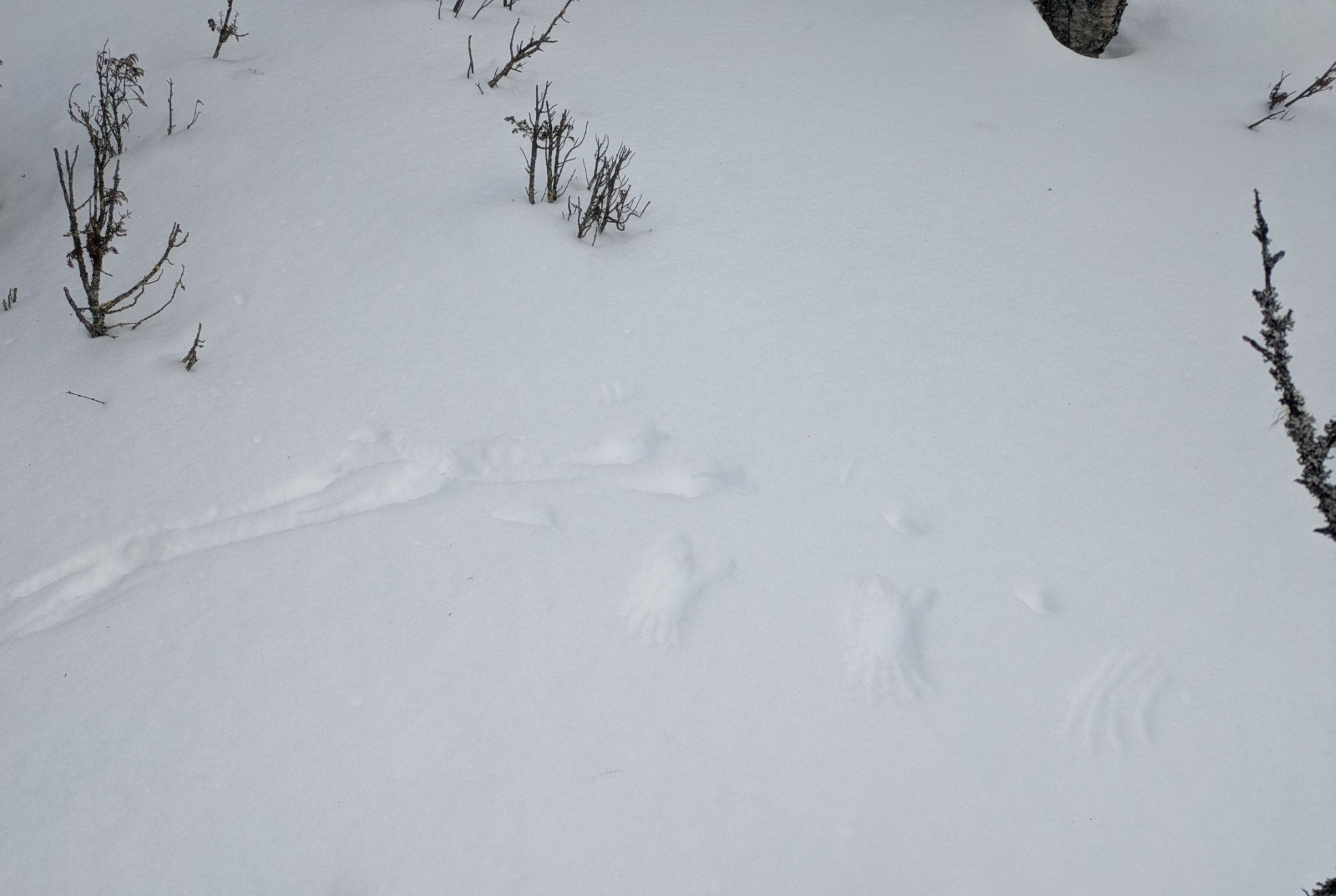
Let’s come back to that sense of “wow”, that childlike sense of wonder that is a feature, not a bug. I felt it when I saw the Tyshawn Sorey trio play; when I first saw capoeiristas, moving in ways that broke my understanding; when I first ate at Sarma. It is there in the details of, yes, flowers; the epics layered in rocks; the hush of fresh snow and the small dramas it reveals.
The feeling, as audience, is tied to my true naïveté, a mixture of surprise, delight, and respect for something that I cannot create and do not yet understand. If it feels important, the curiosity that follows embodies the other meaning of the word “wonder”: “how did they do that?”, “why is that so?”. This is what led me to study physics. Though the sense of “wow” is a different part of my brain from the attention and rigor of any kind of actual doing, for me the readiness to wonder is tied to the imperatives to learn, grow, and create.
If I could chase that feeling of “wow”, I would. Maybe some people try, running after novelty in their personal lives, hobbies, careers. In the business of innovation and R&D, novelty is currency and I’d say that the best way to get there is to pay attention, open the door, and welcome it.
Xerox’s PARC was nestled in the foothills above Palo Alto. Its building was designed with branching hallways that enclosed landscaped atriums. The layout forced people to walk circuitous routes to get to their meetings and labs, giving more opportunity for unplanned interactions. Status was marked by the size of one’s office and how many people (at most, a couple) shared it. Every office had a solid door that closed (!) and a window that looked onto the outdoors, either an atrium or the surrounding hills. I remember once phoning a colleague to tell him about a wild animal hanging out between our hallways.
Indoors, we had art. I don’t mean photos of prototypes or framed patents. It was real art, unrelated to our work. In the downstairs hallways, the paintings of the permanent collection served, at minimum, as navigation landmarks. (One April Fools’ Day, I switched the orange one and the blue one, and at least one person ended up in the wrong office.) Upstairs where execs and visitors landed, the exhibits changed. After noticing one sculpture in the lobby for weeks, I purchased it from the local artist.
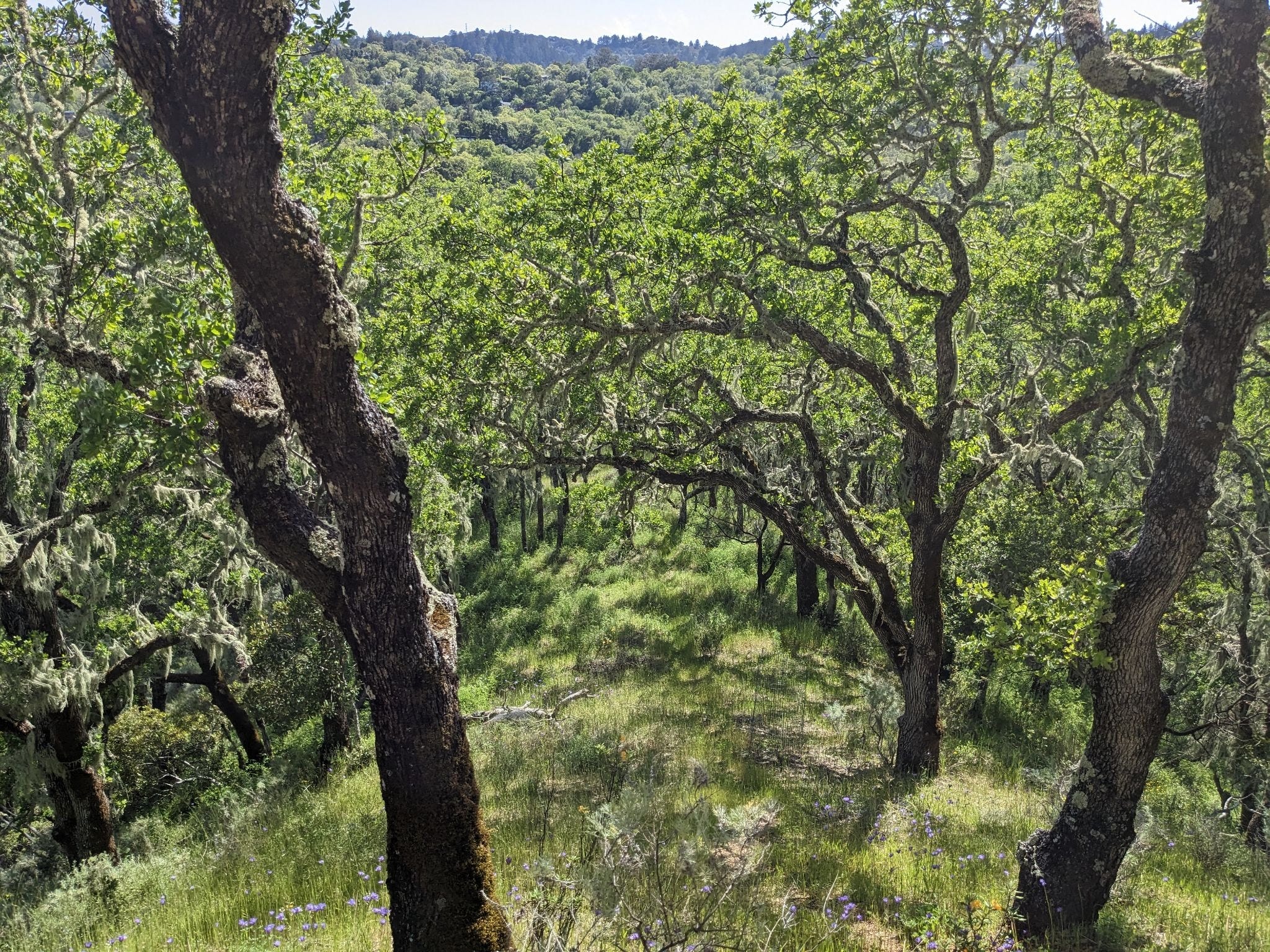
A friend said that the wonder of nature is awe. The wonder of art, for him, is heartbreak. Going around in a state of either awe or heartbreak, it is hard to get anything done. And yet, these are the states that land us in the space of, yes, naïveté and vulnerability that can be launching points for connection and creation. A phone call to say “hey, look at that creature right outside your window” is at least as good for teamwork as complaining with colleagues over happy hour beer; stretching the brain to look at paintings and sculptures every day is at least as much fuel for innovation as free doughnuts at a brainstorm. Probably more.
And it does not take the wealth of a corporate parent to get there. I’ve delighted in hallways adorned by the creations of friends and family, monochrome offices brightened with indoor plants. These are ways to invite wonder, for the sake of inspiration, curiosity, connection, and creativity. The impact won’t be linear or direct and these are some of the raw ingredients for innovation.

Welcome it
I learn from the process of writing and here are my takeaways from this one:
Wonder is a gift. Welcome it.
Naïveté can be a tool. Use it with care.
Learning is both a privilege and a responsibility. Respect it.
Expertise can be an asset to your team (of course?!). Look for it.
Teams that bias against expertise are fragile. Proceed with caution.
For potential followup:
Most companies benefit from a few general athletes. Understand their skillset, learn from their questions, expect them to learn quickly, and hire with intention.
Even if you are dazzled by the “who” and “what”, remember to look for the “how”, in diligence, in hiring, in judging.
Figured Eight can help with these things.
~~~~~~~~~~~~~~~~
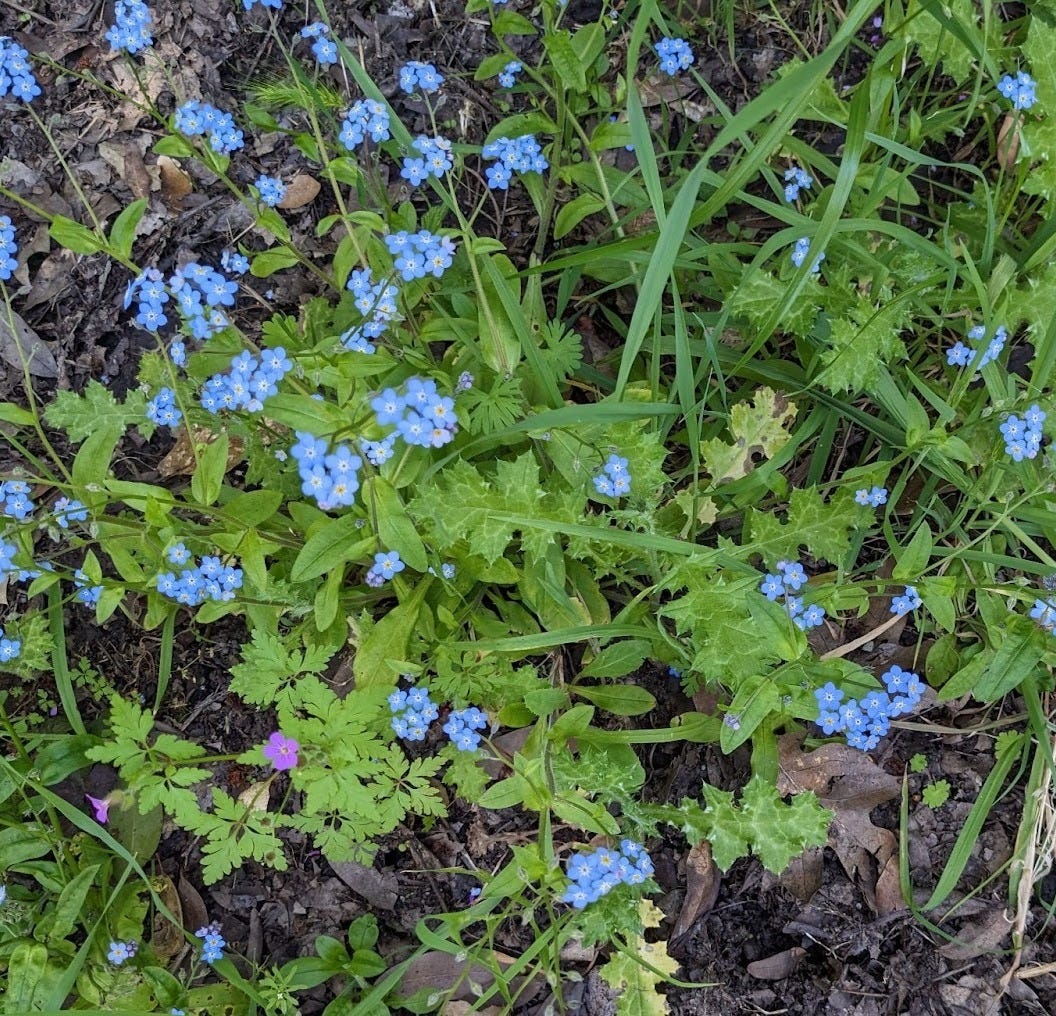
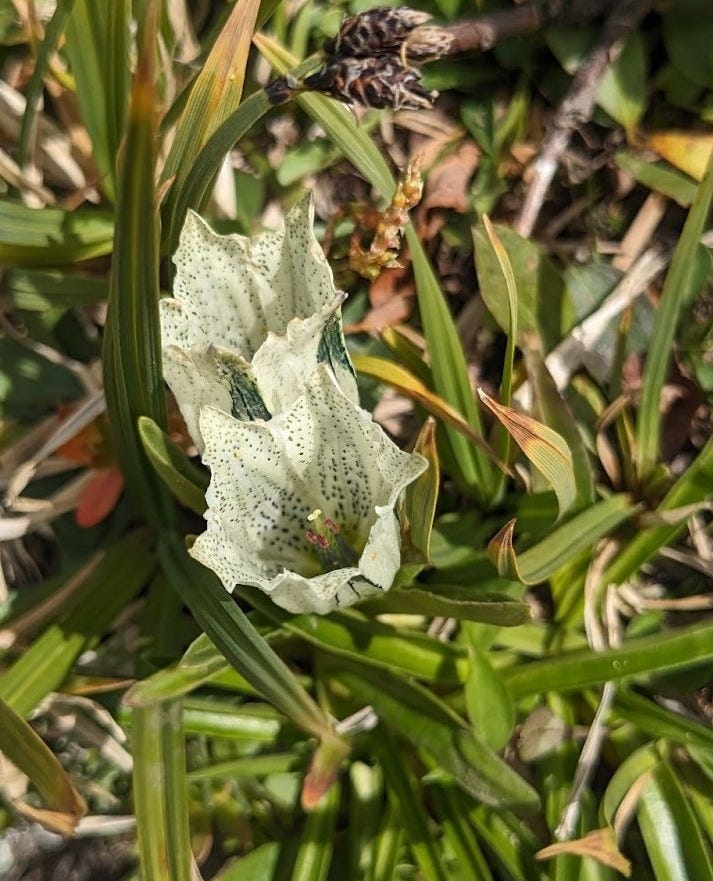
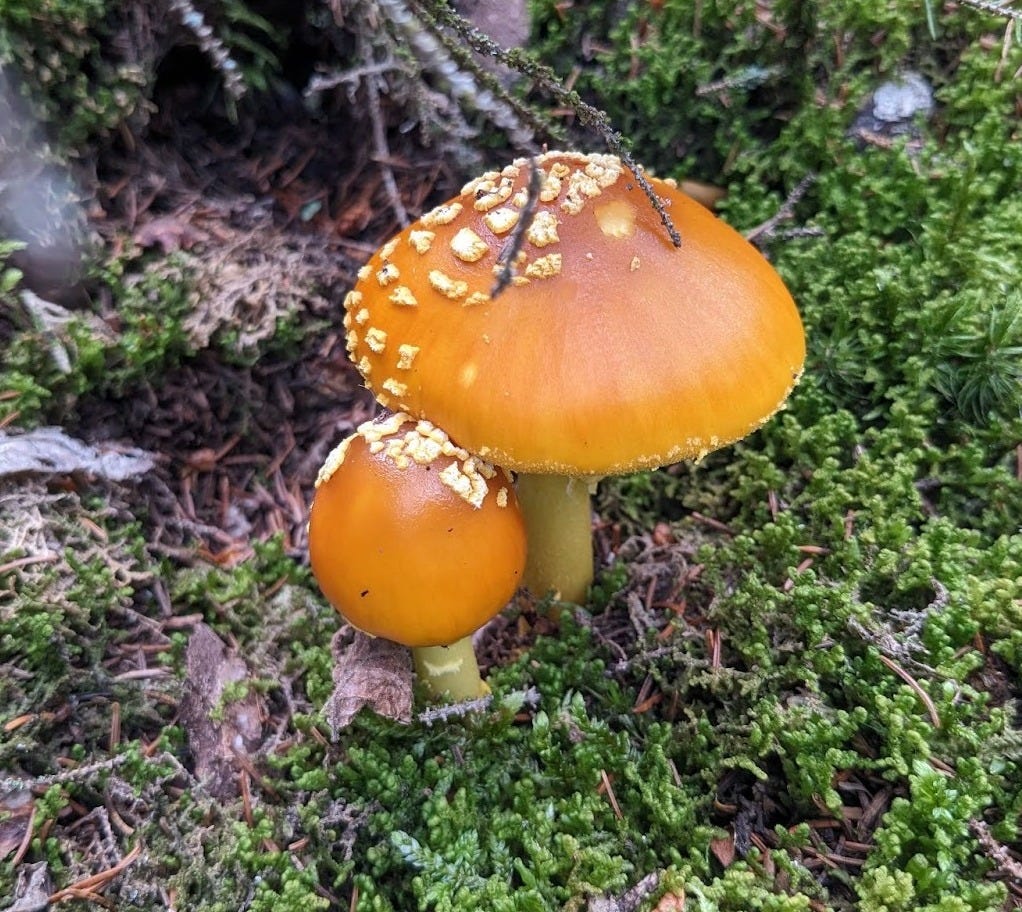
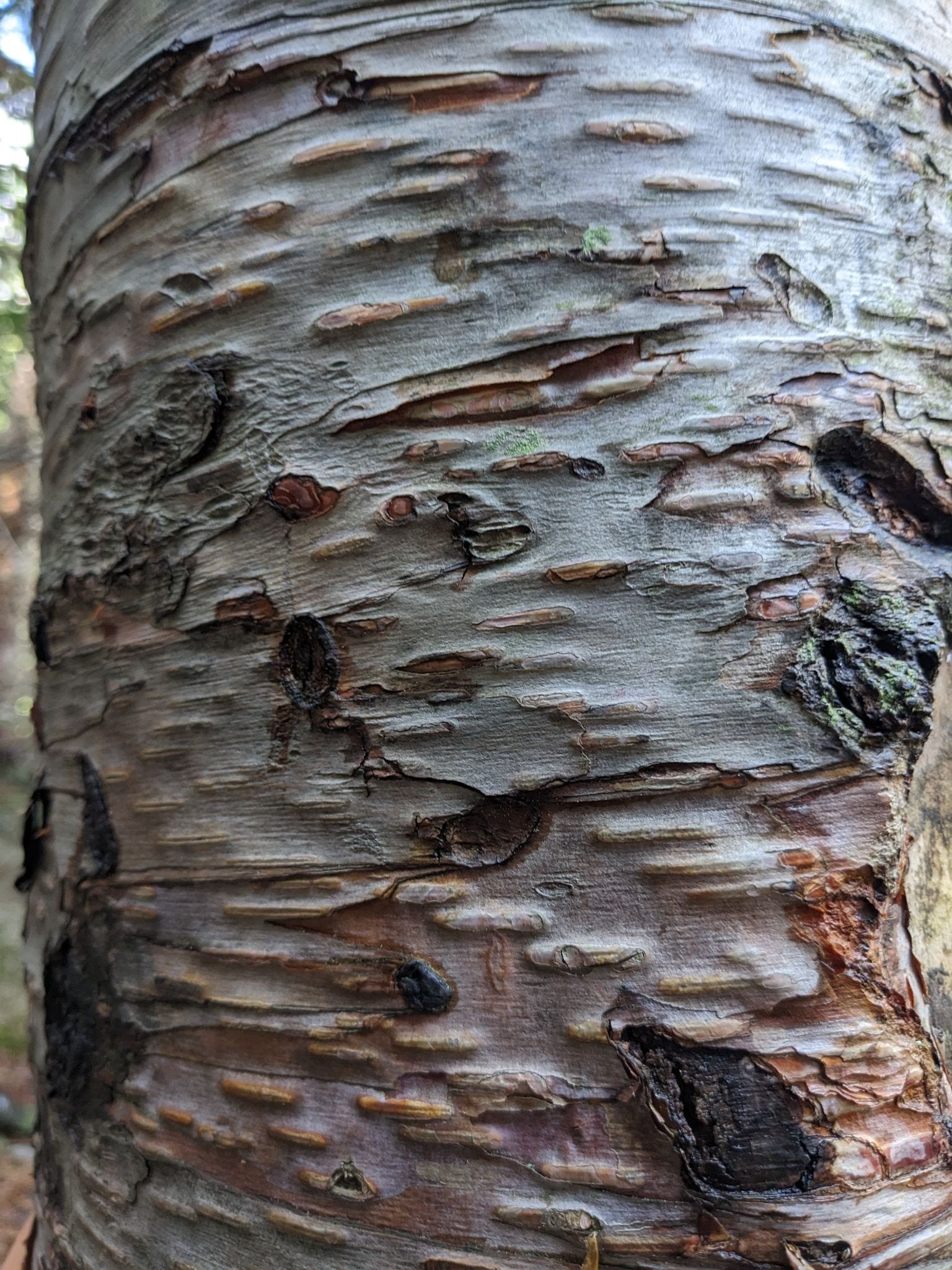
None of these photos are glass flowers. Go see them for yourself (and then read more about them online). If you can read the story in the snow, our next coffee is on me.
*Chalk Talks were given by colleagues with a whiteboard and without slides, on topics disconnected from our current jobs. They attracted large audiences from all levels and disciplines.